

In the demanding world of offshore energy exploration and production, few assets are as vital as the PSV vessel. Short for Platform Supply Vessel, these robust ships serve as the logistical lifeline connecting shore-based facilities to remote offshore platforms. Whether supporting oil and gas rigs in deep waters or contributing to emerging offshore wind projects, PSV vessels ensure that essential supplies, equipment, and personnel reach their destinations reliably and efficiently. For industry professionals, project managers, and those curious about maritime support in energy operations, understanding how these vessels function within the broader supply chain is key to appreciating their indispensable role. This in-depth exploration examines the ways PSV vessels support offshore platforms, focusing on logistics and supply chain insights. Drawing from established practices in offshore operations, the discussion highlights their design, operational capabilities, and strategic importance in maintaining uninterrupted activities far from land. By examining these elements, readers gain a clearer picture of how PSV vessels contribute to safety, efficiency, and overall project success in one of the most challenging environments on Earth.
What Is a PSV Vessel?
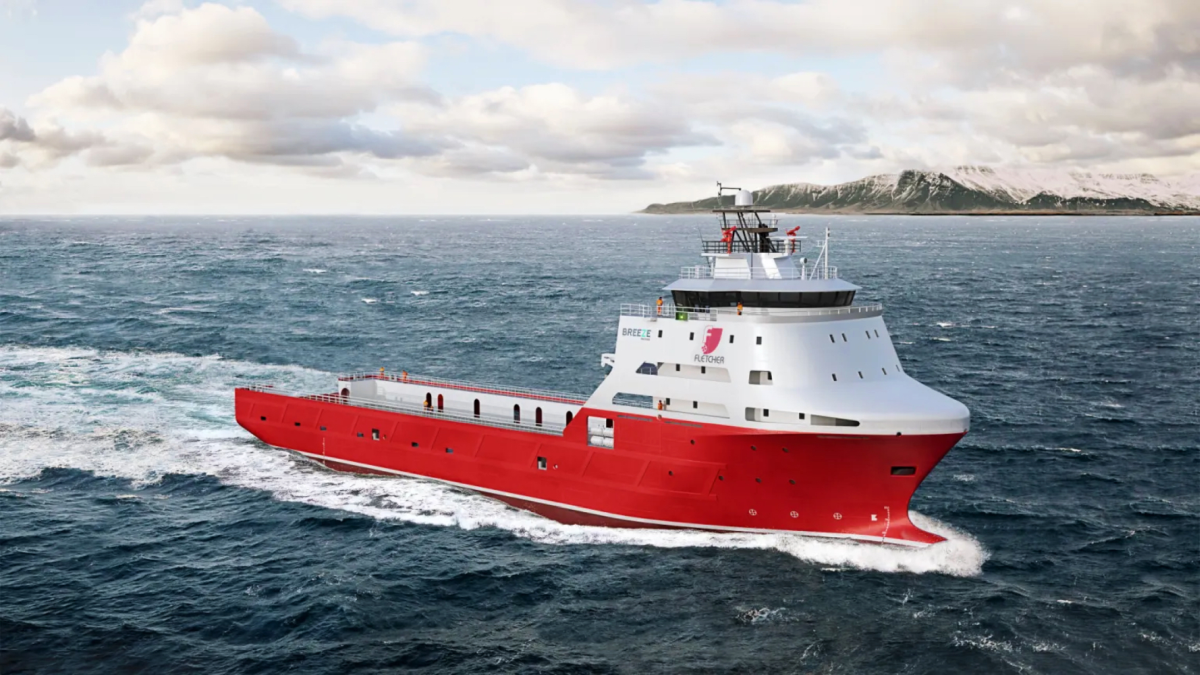
A Platform Supply Vessel, commonly referred to as a PSV vessel, is a purpose-built ship engineered specifically to provide logistical support to offshore installations. These vessels typically measure between 50 and 100 meters in length, featuring a distinctive large open deck at the aft end for carrying substantial loads of equipment and materials. This design prioritizes versatility and capacity, allowing PSV vessels to handle a wide array of cargoes essential for offshore activities.
The core purpose of a PSV vessel revolves around transporting supplies from shore bases to platforms and returning waste or unused materials back to land. Unlike other offshore support ships that might focus on towing or anchor handling, PSV vessels excel in bulk cargo delivery. They carry everything from drilling mud and chemicals to fuel, water, cement, and spare parts. The expansive deck accommodates containers, pipes, and heavy machinery, while dedicated below-deck tanks store liquids and dry bulk materials safely. This dual capability makes PSV vessels uniquely suited to the multifaceted demands of offshore platforms, where consistent resupply is non-negotiable.
Modern PSV vessels incorporate advanced technologies to enhance their performance in harsh marine conditions. Many feature dynamic positioning systems that enable precise station-keeping without traditional anchoring, which is particularly valuable near sensitive seabeds or during close-quarters operations around platforms. These systems use thrusters, GPS, and sensors to maintain position even in strong winds and currents, ensuring safe loading and unloading. Additionally, propulsion configurations often emphasize fuel efficiency and reduced emissions, reflecting the industry’s shift toward more sustainable practices. In essence, the PSV vessel combines rugged construction with smart engineering to serve as a reliable workhorse in offshore logistics.
Key Features and Capabilities of PSV Vessels
The effectiveness of a PSV vessel stems from its thoughtfully designed features that address the unique challenges of offshore supply operations. The large open deck stands out as a primary characteristic, providing ample space for deck cargo such as drill pipes, containers, and construction materials. This area is engineered for efficient loading and offloading, often using platform cranes, which minimizes time spent alongside installations.
Below the deck, specialized tanks form a network for handling liquid and dry bulk cargoes. These include compartments for drilling mud, pulverized cement, diesel fuel, potable water, non-potable water, and various chemicals critical to drilling and production processes. Careful segregation and pumping systems ensure safe transport and discharge, preventing contamination and enabling precise delivery to platform storage. This capability allows PSV vessels to support complex operations without requiring frequent returns to shore.
Dynamic positioning represents one of the most significant advancements in PSV vessel technology. Classified as DP2 or DP3, these systems provide redundancy and reliability, allowing the vessel to hold station accurately even if one component fails. This precision is crucial during transfers in adverse weather, reducing risks associated with drifting or collisions. High maneuverability further complements this, enabling PSV vessels to operate effectively in confined spaces around platforms or in strong currents.
Flexibility extends to additional roles beyond routine supply. Many PSV vessels can accommodate modular equipment for tasks like inspection support, oil spill response, or standby duties. This adaptability ensures that operators can deploy the same vessel for varied missions, optimizing fleet utilization and reducing costs. Together, these features make PSV vessels highly capable platforms for sustaining offshore activities across different phases of energy projects.
The Role of PSV Vessels in Supporting Offshore Platforms
PSV vessels form the backbone of logistical support for offshore platforms, ensuring that remote installations remain operational despite their isolation. Routine supply runs represent the most frequent task, where vessels shuttle consumables, spare parts, and raw materials to maintain continuous production or drilling. Without this steady flow, platforms would face shortages that could halt activities and incur significant financial losses.
During drilling phases, PSV vessels play an especially critical part by delivering specialized fluids and materials. Drilling mud, for example, requires precise formulation and timely replenishment to control well pressure and remove cuttings. PSV vessels transport these in bulk, pumping them directly to platform tanks or offloading via hoses. Similarly, cement and chemicals arrive in quantities tailored to operational needs, supporting well integrity and completion processes.
Personnel transfers also fall within the scope of PSV vessel duties, though often in conjunction with dedicated crew boats. PSV vessels accommodate additional crew or specialists during rotations or peak activity periods, providing accommodation and transport options. This multi-role capability enhances overall supply chain resilience, allowing platforms to respond quickly to changing requirements.
Waste management forms another essential aspect of support. PSV vessels collect drill cuttings, used fluids, and other byproducts for responsible return to shore-based facilities for treatment or disposal. This reverse logistics prevents environmental impact and complies with stringent regulations, closing the loop in sustainable operations. Through these varied contributions, PSV vessels enable platforms to focus on core activities while relying on dependable external support.
Logistics and Supply Chain Management with PSV Vessels
Logistics management aboard and around PSV vessels involves meticulous planning to synchronize shore-based preparation with offshore delivery. Supply chain coordination begins with forecasting platform needs based on operational schedules, weather windows, and historical consumption patterns. Shore teams load vessels accordingly, prioritizing items to match platform priorities and vessel capacity.
Once underway, real-time tracking and communication systems keep all parties informed. Dynamic positioning allows safe alongside operations, where deck cargo is lifted by platform cranes while bulk liquids transfer via hoses. Efficient discharge sequences minimize time at the installation, often completing tasks within hours despite challenging conditions. This speed is vital in regions with limited weather windows, where delays can cascade through the supply chain.
Inventory management on platforms relies heavily on PSV vessel reliability. Operators maintain buffer stocks calibrated to vessel visit frequency, balancing storage constraints with risk of shortages. Advanced planning tools help optimize routes, grouping multiple platforms into single voyages to reduce transit times and fuel consumption. This hub-and-spoke approach, or milk runs, maximizes vessel utilization and lowers overall logistics costs.
Safety integrates deeply into every logistics step. Pre-departure checks verify cargo securing, tank integrity, and equipment readiness. During transfers, strict protocols govern crane operations, hose connections, and personnel movements. Emergency contingencies, including weather deterioration, ensure rapid departure if conditions worsen. By embedding safety and efficiency into routine processes, PSV vessel operations strengthen the entire offshore supply chain.
Challenges and Best Practices in PSV Operations
Operating PSV vessels presents ongoing challenges, from unpredictable weather to regulatory compliance and environmental considerations. Harsh sea states test vessel stability and crew endurance, requiring robust designs and experienced mariners to maintain schedules. Fuel efficiency and emissions reduction add complexity, as operators balance performance with sustainability goals.
Best practices emphasize proactive planning and technology adoption. Route optimization software minimizes unnecessary steaming, while predictive maintenance keeps vessels available. Crew training focuses on dynamic positioning, cargo handling, and emergency response, building competence for high-stakes environments. Collaboration between vessel operators, platform teams, and shore logistics ensures seamless handoffs and rapid issue resolution.
Sustainability efforts increasingly shape PSV vessel operations. Hybrid propulsion, low-emission fuels, and optimized hull designs reduce environmental footprint without compromising reliability. Waste minimization and responsible disposal practices align with global standards, reinforcing the industry’s commitment to responsible energy production. These practices not only address current challenges but also position PSV vessels for future demands in evolving offshore sectors.
Frequently Asked Questions (FAQ)
What does PSV stand for in offshore operations?
PSV stands for Platform Supply Vessel, a specialized ship designed primarily to transport supplies, equipment, fuel, water, and personnel to and from offshore platforms in the oil, gas, and renewable energy sectors.
How do PSV vessels differ from other offshore support vessels?
Unlike anchor handling tug supply vessels focused on towing or positioning, PSV vessels specialize in bulk and deck cargo logistics. They prioritize large cargo capacity, tank storage for liquids and dry bulks, and efficient supply delivery to maintain platform operations.
What types of cargo do PSV vessels typically carry?
PSV vessels transport a wide range including drilling mud, cement, diesel fuel, potable and non-potable water, chemicals, drill pipes, containers, spare parts, food provisions, and personnel. They also handle return cargoes like waste materials and cuttings.
Why is dynamic positioning important for PSV vessels?
Dynamic positioning allows PSV vessels to maintain precise location near platforms without anchors, using thrusters and sensors. This ensures safe, stable transfers in varying sea conditions, prevents seabed damage, and supports efficient loading and unloading.
How do PSV vessels contribute to offshore supply chain efficiency?
By providing regular, reliable resupply, PSV vessels minimize platform downtime, optimize inventory levels, and enable just-in-time delivery. Coordinated routing and real-time tracking reduce costs and enhance responsiveness to operational needs.
Can PSV vessels support offshore wind projects as well?
Yes, PSV vessels offer versatile support for offshore wind farms, transporting components, tools, and personnel during construction, maintenance, and operations, adapting their logistics capabilities to renewable energy requirements.
What safety measures are critical during PSV vessel operations?
Key measures include rigorous pre-departure inspections, dynamic positioning redundancy, secure cargo handling protocols, weather monitoring, and emergency response training. These protect crew, vessel, and platform while ensuring environmental compliance.
Conclusion
PSV vessels stand as essential pillars in the offshore energy landscape, delivering unmatched logistical support that keeps platforms productive and safe despite their remote locations. From their specialized design features enabling efficient cargo transport to their pivotal role in supply chain coordination and reverse logistics, these vessels demonstrate remarkable adaptability and reliability. By facilitating everything from routine resupplies to emergency responses, PSV vessels help sustain operations that power economies and advance energy transitions. Their continued evolution toward greater efficiency and sustainability promises even stronger contributions ahead. For anyone engaged in or interested in offshore activities, recognizing the profound impact of PSV vessels highlights the intricate teamwork behind successful energy projects at sea-a testament to human ingenuity meeting the challenges of the marine frontier.